You Don't Need a Website to Sell Online
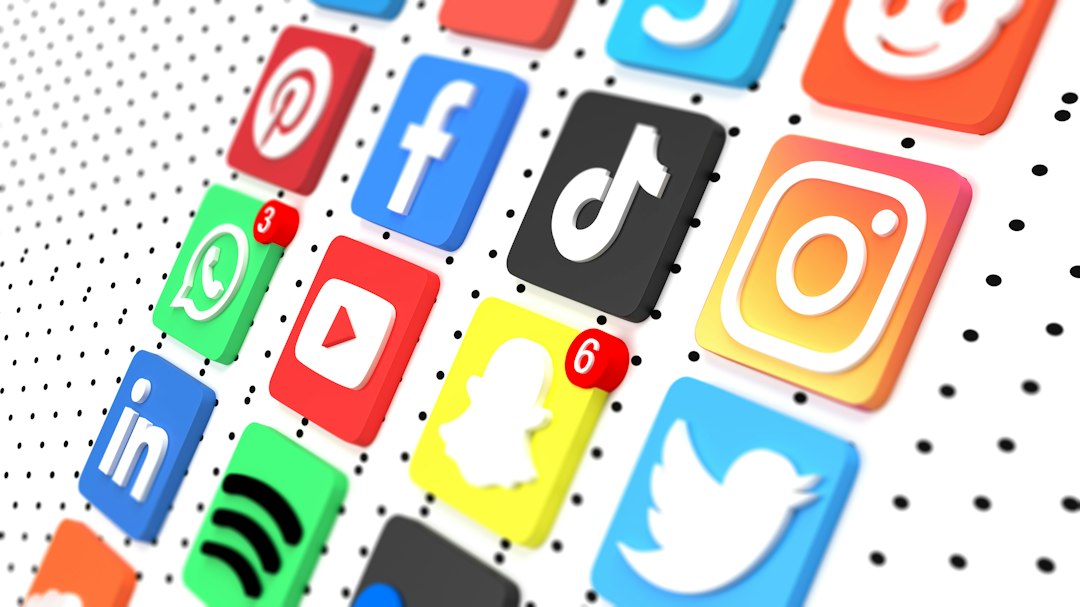
The global creator economy surpassed $500 billion in 2026, and a significant share of that revenue is generated entirely through social-native channels with no personal website in sight. You can sell online without a website by using social commerce platforms like Instagram Shops and TikTok Shop, digital product marketplaces like Gumroad and Stan Store, or direct DM-based sales. No domain, no hosting, no developer required.
Platforms like Instagram Shops, TikTok Shop, and Gumroad let creators list products, promote them, and collect payment without owning a single line of web infrastructure. As SumUp's business guide points out, selling through established platforms means you inherit their trust, their traffic, and their checkout technology from day one. Stripe's overview of website-free selling echoes this: social platforms and marketplaces now provide everything a standalone site once did.
That changes the buyer journey in your favor. A fan discovers your product in a feed post or Story, taps to buy, and checks out without ever leaving the app. Less friction means more completed purchases.
The biggest bottleneck creators actually face when selling this way isn't traffic or product quality. It's managing the flood of DMs, comments, and follow-up messages that a successful post triggers. This guide walks through exactly which platforms to use, how to set them up, and how to handle buyer conversations at scale so no sale slips through the cracks.
What You Need Before You Start Selling
Before you list anything, three things need to be in place.
A clearly defined product. Digital products (courses, presets, eBooks, Notion templates), physical goods, and service packages all work across website-free channels. The format matters less than having a specific offer with a specific price. Vague offers don't convert, regardless of how big your audience is.
A trustworthy social profile. When you don't have a website, your profile does the credibility work. That means a complete bio, a recognizable profile photo, and a consistent posting history. Buyers who land on a sparse or inactive profile will leave without purchasing. Think of your profile as the homepage you don't have to build.
A payment method connected. Stripe, PayPal, or a platform's native checkout must be live before you announce anything. Most platforms walk you through connection in under ten minutes, and SumUp's guide confirms the setup is genuinely straightforward for non-technical creators.
Two optional-but-smart additions: first, set up affiliate marketing in parallel. It's a zero-inventory revenue stream that requires no storefront of your own. You earn commissions promoting other brands' products while your own product offering gets established. Second, know when your audience is actually online. Posting a product drop at the wrong hour is one of the most avoidable sales mistakes creators make. Check our guide on good posting times for Instagram in 2026 before you schedule anything.
One more note for creators reaching bilingual audiences: prepare product descriptions and DM reply templates in both English and Spanish from day one. TikTok and Instagram both show higher conversion rates when messaging matches the viewer's preferred language, and the U.S. Spanish-speaking creator audience is one of the fastest-growing buyer segments on both platforms.
How to Sell Online Without a Website: 7 Steps
Here's the process, in order. Each step builds on the last.
Step 1: Choose Your Selling Channel
Your existing audience size and product type should drive this decision. Instagram Shops and TikTok Shop are the strongest options for creators who already have an engaged following. Gumroad and Stan Store work for digital products regardless of where your traffic comes from, and they're the easiest to set up. YouTube's Merch Shelf integrates directly below your videos for physical and digital goods. Patreon fits subscription-based recurring revenue, where fans pay monthly for exclusive access.
If you don't have a dedicated storefront yet, MePersona's Creator Studio is worth exploring as a website-free alternative built specifically for creators managing products and fan relationships in one place.
Step 2: Set Up Your Storefront
Instagram Shops require a Facebook Commerce Manager account and a connected product catalog. TikTok Shop onboarding happens inside the TikTok Seller Center. Gumroad takes under five minutes: add a product name, set your price, upload your file, and publish. That's genuinely it.
Don't overcomplicate this step. A live listing with a decent description beats a perfect listing that hasn't gone public yet.
Step 3: Write Product Listings That Convert
On social-native platforms, shorter listing copy outperforms long-form descriptions every time. A clear product name, one sentence on what the buyer gets, three to five bullet-point benefits, a price, and a single call to action. That's the format that works.
AI tools built for content creators can generate and A/B-test this copy in minutes, which matters when you're launching multiple products or testing different price points. If you're not sure which AI writing tool fits your workflow, our guide on choosing the best AI writing tool breaks down the options clearly.
As discussion threads on Quora and Reddit's small business community both confirm, creators who focus on benefit-driven listing copy convert significantly better than those who write feature-heavy descriptions.
Step 4: Publish Content That Drives Buyers to Your Listing
Short-form video consistently outperforms static posts for cold audiences. A Reel, TikTok, or YouTube Short demonstrating your product in action gives potential buyers enough context to click. Add a direct link in your bio or a swipe-up Story link to make checkout as frictionless as possible.
Post frequency matters, but timing matters more. A product post published when your audience is asleep is a missed opportunity you can't recover.
Step 5: Respond to Every DM and Comment Quickly
Creators who reply to a purchase-intent comment within one hour convert at a substantially higher rate than those who respond after 24 hours. Speed signals that there's a real person behind the account, and that signal builds enough trust to complete a purchase.
At scale, this can't be manual. You need a system.
Step 6: Handle Inquiries Across Platforms Without Missing Messages
Creators selling on multiple channels simultaneously, whether that's Instagram, TikTok, YouTube, or X, regularly lose sales because messages pile up in separate inboxes. A unified inbox that consolidates all fan messages and drafts voice-matched replies in your own tone solves this directly. Our guide on managing post comments across multiple platforms covers the practical side of keeping up with buyer conversations at volume.
If you prefer to have a team handle this, MePersona's agency services are worth reviewing for creators who want outsourced selling support without building a moderation team from scratch.
For technically inclined creators, the MePersona API lets you automate DM sequences, inventory updates, or payment confirmations when a fan engages with a specific post. This kind of automation keeps your response time fast even when volume spikes unexpectedly.
Streaming platforms are another channel worth considering. Setting up Twitch monetization through Bits, subscriptions, and channel point rewards is a strong example of generating real income through a platform's own infrastructure without owning any website at all.
Step 7: Track Revenue and Follow Up
Use each platform's native analytics to identify which posts actually drove sales. Follow up with buyers to collect a sentence of social proof. Re-engage non-buyers with a second-touch message or a limited-time offer. This follow-up loop is where most creators leave money behind.
Tips to Sell More Without a Website
Getting your first sale is different from building consistent revenue. These practices move you from one-off sales to a repeatable system.
Post at peak engagement windows, not just when it's convenient. Instagram engagement peaks shift by audience timezone and niche. Reviewing your own Insights weekly beats following generic best-practice charts because your audience's behavior is what matters. Check the good posting times for Instagram in 2026 guide as a starting baseline, then refine based on your own data.
Reach bilingual audiences in both languages. Creators on TikTok and Instagram who caption posts and reply to DMs in both English and Spanish reach a measurably broader buyer pool. The U.S. Spanish-speaking creator audience grew faster than the English-speaking segment every year from 2022 through 2026, and most creators aren't reaching them in their preferred language.
Use voice-matched AI replies for purchase-intent DMs. A response that sounds like you, not like a generic chatbot, preserves the relationship and raises the likelihood a fan completes a purchase. When your AI replies carry your actual tone and vocabulary, fans don't notice the assist. They just notice that you responded.
Let fan memory do the heavy lifting. When a fan mentioned last month that they're a teacher and they DM again about your new course, referencing that context in your reply feels personal rather than automated. That specificity raises conversion rates in a way that mass-blast templates never can.
SEO-optimize your off-site listings. Adding relevant search terms to your Gumroad, Stan Store, or TikTok Shop profile name and product descriptions helps buyers find your listings through Google, not just in-platform discovery. This is a free traffic channel that most creators skip. Our roundup of SEO tools for creators covers which tools make this process fast.
Keep pricing consistent across platforms. Undercutting your own TikTok Shop price in a DM deal erodes perceived value over time. Buyers talk to each other, and inconsistent pricing damages trust in a way that's hard to repair.
Collect one sentence of social proof per buyer. Repurposing that testimonial as a Story or pinned comment is the lowest-effort trust builder available to a no-website seller. It does the credibility work that a reviews section on a website would otherwise handle.
Frequently Asked Questions
Q: What's the easiest way to sell stuff online?
The easiest way to sell stuff online is to upload a digital product to Gumroad or Stan Store and paste the checkout link in your social media bio. Both platforms handle payment processing, file delivery, and receipts automatically. You just promote the link in your posts, Stories, or Reels. No website, no technical skills, and no upfront fees required. As SumUp confirms, this approach removes every technical barrier between you and your first sale.
Q: What can I use instead of a website?
You have several strong options depending on your product type. Instagram Shops and TikTok Shop work best if you already have an engaged social audience. Gumroad and Stan Store are ideal for digital products like courses, presets, or templates. Patreon suits creators offering subscription-based content. YouTube's Merch Shelf lets you sell physical or digital goods directly under your videos. Each platform provides its own hosted product page, checkout, and payment processing, effectively replacing everything a personal website would do. Stripe's guide to selling without a website walks through how these platforms handle payment infrastructure on your behalf.
Q: What is the easiest business to start online?
In 2026, the easiest online business to start is selling a digital product through Gumroad. A PDF guide, Canva template, Lightroom preset, or short video course can be live and accepting payments in under an hour. There are no shipping or inventory costs, and products are delivered to buyers instantly. As creators on Quora have shared, sharing the link in your bio is enough to make your first sale if you already have any social audience at all. Compare tool and platform costs at any point using the MePersona pricing page to make sure your selling setup fits your budget.
Q: What is the easiest thing to sell online?
Digital products are consistently the easiest things to sell online without a website. They require no physical inventory, no packaging, no shipping, and no returns process. Popular options include Notion templates, photo presets, recipe eBooks, fitness plans, and mini-courses. Once uploaded to a platform like Gumroad or Stan Store, the same file can be sold an unlimited number of times with zero additional effort per sale.
Selling without a website in 2026 isn't a workaround. It's a deliberate strategy that removes friction for buyers and overhead for you. Pick one platform, publish your first listing, and focus most of your energy on responding to every message quickly and personally. That's where the sales actually close.
If you're ready to stop losing DMs and start converting more of your audience into buyers, start for free at MePersona and see how a voice-matched unified inbox changes what's possible. For more creator guides on selling, growing, and monetizing, head to the MePersona blog.
Leave a Reply