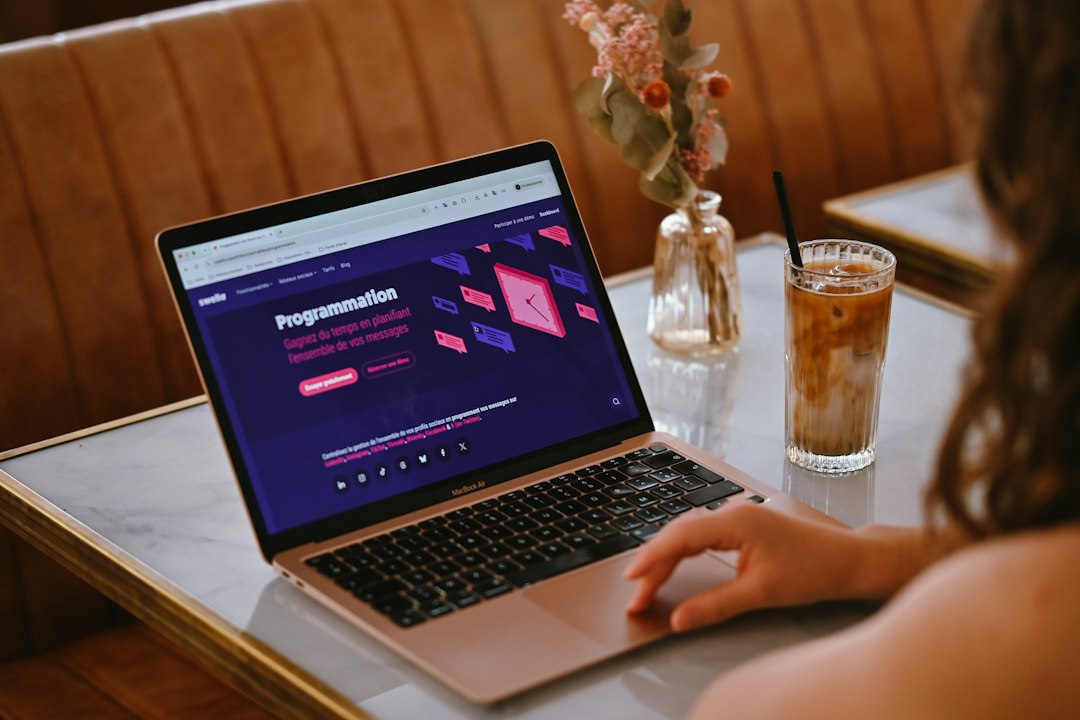
What Is Social Media Marketing? (And Why It Matters More Than Ever in 2026)
Social media marketing is the practice of using platforms like Instagram, TikTok, YouTube, X, and LinkedIn to promote a brand, grow an audience, and drive measurable business outcomes such as sales, leads, or subscriptions. It works by building an audience on platforms where your target customers already spend time, then converting that attention into traffic, leads, or revenue. Investopedia defines it as a form of digital marketing that uses social networks as tools, and Wikipedia's overview of social media marketing traces how those tools have evolved from simple profile pages into sophisticated publishing and advertising ecosystems.
The global creator economy is projected to surpass $480 billion by 2027, and social and media marketing is now the primary growth engine for independent creators and digital entrepreneurs. What makes it so effective is the combination of consistent content publishing, community engagement, paid amplification, and data analysis, all working together to build trust and convert followers into customers. Salesforce notes that unlike traditional advertising, social network in marketing enables two-way conversation, and that two-way dynamic is now a key algorithmic growth signal on every major platform. Creators who respond to DMs and comments within the first hour of posting see up to 60% higher reach on Instagram, which shows that authentic engagement, not just content output, is what drives real results.
How Social Media Marketing Works: Strategy, Platforms, Tools, and Creator Challenges
Building Your Content Strategy
The foundation of any effective social media marketing plan is a clear content mix. The 50/30/20 rule is the most widely applied framework: 50% of your posts should educate or entertain your audience, 30% should share curated third-party content relevant to your niche, and 20% should directly promote your products or services. This ratio keeps your feed from feeling like a constant advertisement while still moving your audience toward a purchase decision. The University of Phoenix's marketing resource backs this up, noting that value-first content is the strongest predictor of long-term audience retention.
Social media marketing grows your audience, drives website traffic, builds brand loyalty, and generates direct revenue through organic content and paid promotions, but the specific tactics vary significantly by platform.
Platform-by-Platform Breakdown
Instagram in 2026 rewards saves and shares far more heavily than likes. Carousel posts and reels with strong opening hooks are the highest-ROI format for most creators. If you're posting a static image that nobody saves or shares, the algorithm treats it as low-value content regardless of how many likes it gets.
TikTok operates on an interest graph rather than a social graph. That means a creator with 500 followers can outperform one with 500,000 if their content retention rate is superior. Raw authenticity and trending audio drive discovery, so polished production often matters less than a compelling hook in the first two seconds.
YouTube compounds over time when you pair SEO-optimised titles with a consistent upload schedule. YouTube Shorts now accounts for over 70 billion daily views globally, and cross-posting Shorts alongside long-form videos is the platform's officially recommended growth strategy for 2026. Creators who treat both formats as separate channels within the same platform tend to grow faster than those who focus on one alone.
X (formerly Twitter) prioritises reply velocity and conversation threading. Creators who engage in replies within the first 30 minutes of posting see dramatically higher impression counts. The social network in marketing context here is especially clear: it's a conversation platform first, a publishing platform second.
LinkedIn rewards dwell time and meaningful comments, making it the highest CPM organic platform for B2B creators and consultants. Posting three to five times per week with native documents or carousels consistently outperforms link-post formats. Thought-leadership long-form posts and professional commentary build authority in ways that other platforms can't match for professional audiences.
Telegram and Discord have become essential for creator-led communities. Telegram channels average 4x higher message open rates than email newsletters, which makes them powerful for direct fan relationships. The challenge is that managing DMs across both platforms alongside Instagram and TikTok creates severe bottlenecks for creators working without a team.
Bluesky crossed 40 million active users in 2026 and is increasingly popular among creators who want to diversify away from algorithm-dependent platforms. Its chronological feed and direct follower relationships offer a different kind of reach, one built on trust rather than virality.
Facebook Groups and Pages remain the dominant community tool for creators targeting audiences over 35. With approximately 3.2 billion monthly active users, Facebook is still the world's largest social network, and its Groups product drives some of the highest organic engagement rates available on any platform for the right audience demographics.
For Spanish-speaking creators specifically, this platform mix matters even more. Latin America's creator market is growing at 22% year-over-year, and bilingual social media marketing capability is increasingly a competitive differentiator. Creators who can engage authentically in both English and Spanish are reaching a fast-growing segment that many tools and strategies still underserve.
The Role of a Social Media Scheduler
A social media scheduler is a non-negotiable tool for any creator managing more than two platforms. Consistent posting frequency correlates directly with algorithmic favourability across Instagram, TikTok, LinkedIn, and YouTube, and manually posting at optimal times across four or more platforms simply isn't sustainable. Investopedia's SMM explainer confirms that scheduling and automation tools have become a standard component of professional social media marketing stacks.
For a broader look at the scheduling and AI tools that creators are using right now, our roundup of AI tools for content creators in 2026 covers the most effective options across every stage of the content workflow.
If you're weighing up which tools fit your budget, MePersona's pricing page outlines what's available at each tier so you can plan accordingly.
The Engagement Gap That's Holding Creators Back
Scheduling solves the publishing problem, but it doesn't solve the engagement problem. And in 2026, engagement is where most creators are losing ground.
A 2025 survey found that 71% of full-time creators report high stress specifically from managing fan messages and DMs across multiple platforms, with the average creator juggling inboxes on at least four separate apps daily. That's not a workflow inefficiency, it's a measurable crisis that directly affects content quality and mental health.
The instinct for many creators is to turn to auto-reply bots, but that creates a different problem. Platforms including Instagram and LinkedIn use engagement quality signals, and templated responses lower conversation depth scores, reducing the creator's content reach in subsequent posts. Generic auto-replies don't just feel inauthentic; they actively harm your distribution. Salesforce's social media marketing research emphasises that quality of interaction, not just volume, is what platforms now optimise for.
The data on authentic engagement is clear. Reply threads with personalised, on-brand language generate 3x more follow-up engagement than generic acknowledgement responses. Authentic voice preservation isn't just a brand value; it's a measurable growth lever.
The most effective social media marketing stack for creators in 2026 combines a content scheduler, a centralised engagement inbox, a content repurposing workflow, and analytics, ideally powered by a single trained AI persona that keeps voice consistent across every touchpoint. Wikipedia's social media marketing entry and Phoenix's marketing resource both note that the integration of these functions into unified workflows is the direction the industry has been moving for several years.
Putting It All Together: Your Social Media Marketing Action Plan for 2026
A sustainable social media marketing strategy rests on three pillars: a consistent content publishing schedule, genuine community engagement that preserves your authentic voice, and data-driven iteration on which formats and platforms are actually driving growth. Salesforce's research on social media marketing shows that creators who centralise their social and media marketing operations, combining scheduling, engagement, and analytics into one workflow, consistently report lower burnout rates and higher month-over-month follower growth than those managing platforms individually.
The most effective social media marketing action plan combines consistent scheduling, authentic engagement at scale, and regular performance reviews to compound growth over time. The single biggest gap in most creators' stacks is unified inbox management: responding to fans across X, Instagram, YouTube, TikTok, Telegram, Discord, Bluesky, LinkedIn, and Facebook from one place, in your own voice, without sending anything you haven't personally approved.
That's exactly what MePersona is built for. It consolidates every fan DM from across your platforms into one dashboard, drafts replies in your trained voice, and never sends a single message without your review. It's the only approach that solves the engagement-at-scale problem without sacrificing the authenticity that your audience, and the algorithms, are looking for.
Social Media Marketing: Frequently Asked Questions
Q: How do beginners start social media marketing?
Beginners should start by picking one or two platforms where their target audience is already active. For younger audiences, TikTok and Instagram are natural starting points; for professional niches, LinkedIn is the better choice. Create a simple content calendar and commit to posting at least three to five times per week. Engage personally with every comment and DM during the first 90 days, since those early engagement signals are weighted heavily by platform algorithms. Track performance using each platform's native analytics and double down on the formats that work best. Depth on one or two platforms consistently beats spreading thin across five or six. For certification and structured learning, HubSpot's Social Media Marketing course is one of the most respected free resources available.
Q: What is the 50/30/20 rule for social media?
The 50/30/20 rule is a content mix framework. It means 50% of your posts should provide genuine value through education, entertainment, or inspiration, without any sales pitch. 30% should be curated from third-party sources relevant to your niche, which builds credibility and saves production time. The remaining 20% should be direct promotional content: product launches, service offers, or calls to action. This ratio keeps your audience engaged and prevents your feed from reading like an advertisement. Investopedia's social media marketing overview and Phoenix's marketing resource both reference content mix frameworks like this as a standard planning tool.
Q: What does social media marketing do?
Social media marketing builds brand awareness, drives website traffic, generates leads and sales, supports customer service through public and private messaging, and creates a loyal community around a creator or business. For content creators, it's also the primary driver of sponsorship deals, merchandise revenue, and subscription income, making it both a growth engine and a monetisation engine in one.
Q: How do I become a social media marketer?
Start by managing your own accounts or helping a small business or creator you know. Earn a recognised certification; HubSpot's free Social Media Marketing Certification is one of the most respected entry points in the field. Build a portfolio that shows measurable results: follower growth rates, engagement improvements, or revenue attributed to social campaigns. Stay current with algorithm changes by following platform blogs and industry publications. Most employers and clients now expect hands-on familiarity with at least one social media scheduler and basic analytics tools.
Leave a Reply